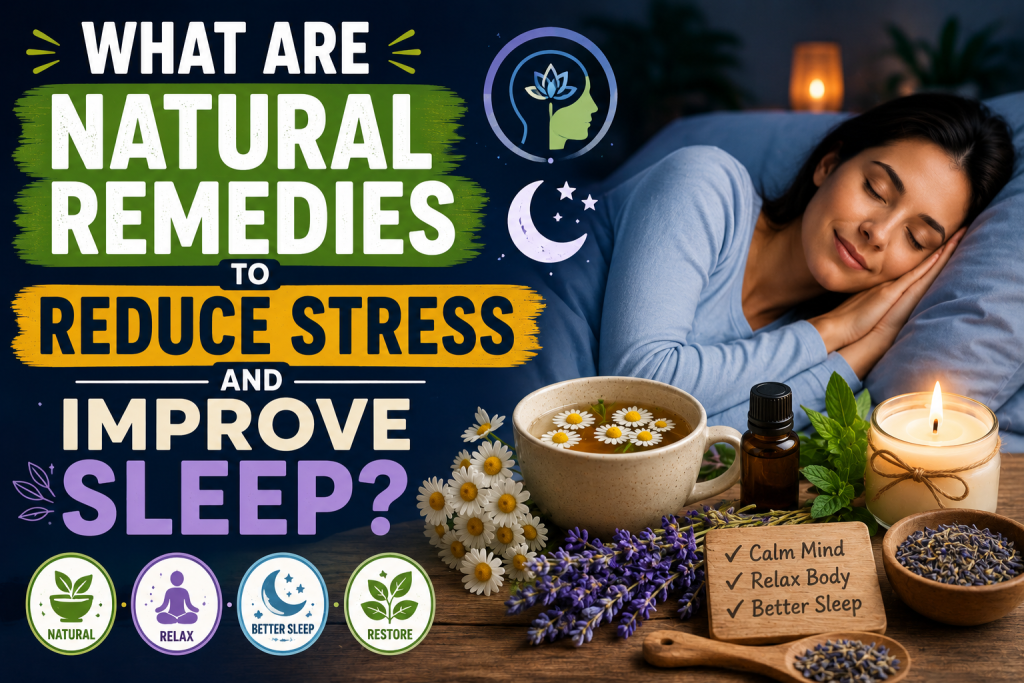

Feeling overwhelmed by stress and tossing and turning at night? You’re not alone. Millions struggle with sleeplessness and anxiety, often turning to medication for relief. But what if you could ease stress and improve sleep naturally—without side effects or dependency? The good news is that effective, science-backed natural remedies to reduce stress and improve sleep are within reach. From herbal teas to mindful breathing, simple lifestyle changes can restore balance to your mind and body. This guide explores proven, accessible strategies to help you unwind, sleep deeper, and wake up refreshed—naturally.
Why Natural Remedies Work for Stress and Sleep
Stress and poor sleep are deeply interconnected. When stress levels rise, cortisol—the stress hormone—disrupts your body’s natural sleep-wake cycle. This creates a vicious cycle: stress leads to insomnia, and lack of sleep increases stress. Unlike pharmaceuticals, natural remedies address the root causes without masking symptoms. They support your body’s innate ability to regulate mood, calm the nervous system, and promote restful sleep.
These remedies work by enhancing relaxation, reducing inflammation, and balancing neurotransmitters like serotonin and GABA. Many also improve sleep quality by regulating circadian rhythms. Whether you’re dealing with occasional sleeplessness or chronic anxiety, natural approaches offer sustainable, long-term relief.
Key Benefits of Natural Approaches
- No dependency or withdrawal symptoms
- Fewer side effects compared to sleep medications
- Supports overall mental and physical health
- Can be combined with other healthy habits
- Cost-effective and easily accessible
Top Herbal Remedies to Calm Stress and Promote Sleep
Herbs have been used for centuries to soothe the mind and support restful sleep. Modern research now confirms their effectiveness. Here are some of the most powerful herbal allies for stress and insomnia.
1. Valerian Root
Valerian root is one of the most studied herbs for sleep. It increases levels of GABA, a calming neurotransmitter, helping you fall asleep faster and enjoy deeper sleep. Studies show it’s particularly effective for mild to moderate insomnia. Drink it as a tea or take it in capsule form 30–60 minutes before bed.
2. Chamomile
Chamomile tea is a gentle, time-tested remedy for anxiety and sleeplessness. Its active compound, apigenin, binds to brain receptors that reduce nervous system activity. Sipping a warm cup before bed can ease tension and signal your body that it’s time to rest.
3. Passionflower
Passionflower is excellent for racing thoughts and restlessness. It boosts GABA levels and has been shown to improve sleep quality in clinical trials. Often combined with valerian or lemon balm, it’s ideal for those who lie awake overthinking.
4. Lavender
Lavender isn’t just for aromatherapy—it has real physiological effects. Inhaling lavender oil reduces cortisol and lowers heart rate, promoting relaxation. Use a diffuser at night or apply diluted oil to your wrists or temples before bed.
5. Ashwagandha
This adaptogenic herb helps your body manage stress by regulating cortisol. Studies show ashwagandha can significantly reduce anxiety and improve sleep onset and quality. Take it in powder or capsule form daily for best results.
Lifestyle and Behavioral Strategies for Better Sleep
While herbs are powerful, lasting change comes from consistent habits. Small adjustments to your daily routine can dramatically reduce stress and improve sleep quality.
1. Establish a Consistent Sleep Schedule
Going to bed and waking up at the same time every day—even on weekends—helps regulate your internal clock. This consistency trains your body to feel sleepy and alert at the right times, making it easier to fall asleep naturally.
2. Create a Relaxing Bedtime Routine
Wind down with calming activities 30–60 minutes before bed. Try reading, gentle stretching, or listening to soft music. Avoid screens, as blue light suppresses melatonin, the sleep hormone.
3. Practice Mindfulness and Breathing Techniques
Mindfulness meditation and deep breathing activate the parasympathetic nervous system, which counters stress. Try the 4-7-8 breathing method: inhale for 4 seconds, hold for 7, exhale for 8. Repeat 4 times. This simple technique can calm your mind in minutes.
4. Limit Caffeine and Alcohol
Caffeine stays in your system for up to 8 hours and can disrupt sleep even if you don’t feel “wired.” Avoid it after 2 p.m. Alcohol may help you fall asleep initially, but it fragments sleep and reduces REM cycles, leaving you unrested.
5. Optimize Your Sleep Environment
Your bedroom should be cool, dark, and quiet. Use blackout curtains, a white noise machine, or earplugs if needed. Invest in a comfortable mattress and pillows. Reserve your bed for sleep and intimacy only—no work or scrolling.
Diet and Nutrition: Fuel for Calm and Rest
What you eat directly impacts your stress levels and sleep quality. Certain nutrients support brain function and hormone balance, while others can sabotage your rest.
Foods That Promote Relaxation
- Magnesium-rich foods: Spinach, almonds, pumpkin seeds, and bananas help relax muscles and nerves.
- Tryptophan sources: Turkey, eggs, and oats support serotonin and melatonin production.
- Omega-3 fatty acids: Found in fatty fish, walnuts, and flaxseeds, they reduce inflammation and anxiety.
- Complex carbohydrates: Whole grains like oats and quinoa increase serotonin levels and promote calm.
Foods to Avoid Before Bed
- Spicy or heavy meals that cause indigestion
- Sugary snacks that spike blood sugar
- Processed foods high in additives and preservatives
- Excess fluids that may lead to nighttime bathroom trips
A light, balanced snack before bed—like a banana with almond butter or a small bowl of oatmeal—can actually support sleep by stabilizing blood sugar and providing sleep-promoting nutrients.
Natural Supplements That Support Stress Relief and Sleep
When diet and lifestyle aren’t enough, targeted supplements can fill the gap. These are best used under guidance, especially if you have underlying health conditions.
1. Magnesium
Magnesium deficiency is common and linked to anxiety and insomnia. Supplementing with magnesium glycinate or citrate can improve sleep quality and reduce muscle tension. Take 200–400 mg before bed.
2. Melatonin
Melatonin is a hormone that regulates sleep-wake cycles. Low doses (0.5–3 mg) can help reset your internal clock, especially after jet lag or shift work. Use short-term and avoid long-term dependency.
3. L-Theanine
Found in green tea, L-theanine promotes relaxation without drowsiness. It increases alpha brain waves associated with calm focus. Ideal for daytime stress relief that doesn’t interfere with alertness.
4. CBD Oil
Cannabidiol (CBD) has gained popularity for reducing anxiety and improving sleep. It interacts with the endocannabinoid system to promote balance. Start with a low dose (10–25 mg) and monitor effects.
Key Takeaways
- Natural remedies like valerian, chamomile, and ashwagandha can effectively reduce stress and improve sleep.
- Lifestyle changes—consistent sleep schedules, mindfulness, and a calming bedtime routine—are essential for long-term results.
- Nutrition plays a critical role; focus on magnesium, tryptophan, and omega-3s while avoiding stimulants.
- Supplements such as magnesium, melatonin, and CBD can support relaxation when used wisely.
- Combining multiple natural strategies yields the best outcomes for both stress relief and sleep quality.
FAQ: Natural Remedies for Stress and Sleep
Are natural remedies safe for long-term use?
Most natural remedies are safe when used appropriately. However, herbs like valerian and supplements like melatonin are best used short-term or cyclically. Always consult a healthcare provider before starting any new supplement, especially if you’re pregnant, nursing, or taking medication.
How long does it take for natural remedies to work?
Effects vary. Herbal teas like chamomile may offer immediate relaxation, while adaptogens like ashwagandha can take 2–4 weeks to show full benefits. Consistency is key—most natural approaches work best when used daily over time.
Can I combine multiple natural remedies?
Yes, many people benefit from combining strategies. For example, drinking chamomile tea while practicing deep breathing and taking magnesium before bed can create a powerful synergy. Just avoid overloading on supplements—start with one or two and monitor your response.
Final Thoughts
Reducing stress and improving sleep doesn’t require medication or drastic changes. By embracing natural remedies to reduce stress and improve sleep, you can restore balance in a gentle, sustainable way. Whether it’s a warm cup of herbal tea, a few minutes of mindful breathing, or adjusting your evening routine, small steps lead to big improvements. Prioritize consistency, listen to your body, and give yourself grace. Better sleep and calmer days are not just possible—they’re within your reach.